
How to Take Care of Your Water Well Pump
Owning a private well provides a sense of independence and access to natural resources right from your own backyard. However, this independence comes with the significant responsibility of maintaining the mechanical systems that bring that water into your home. A functional pump is the heart of your entire plumbing infrastructure.
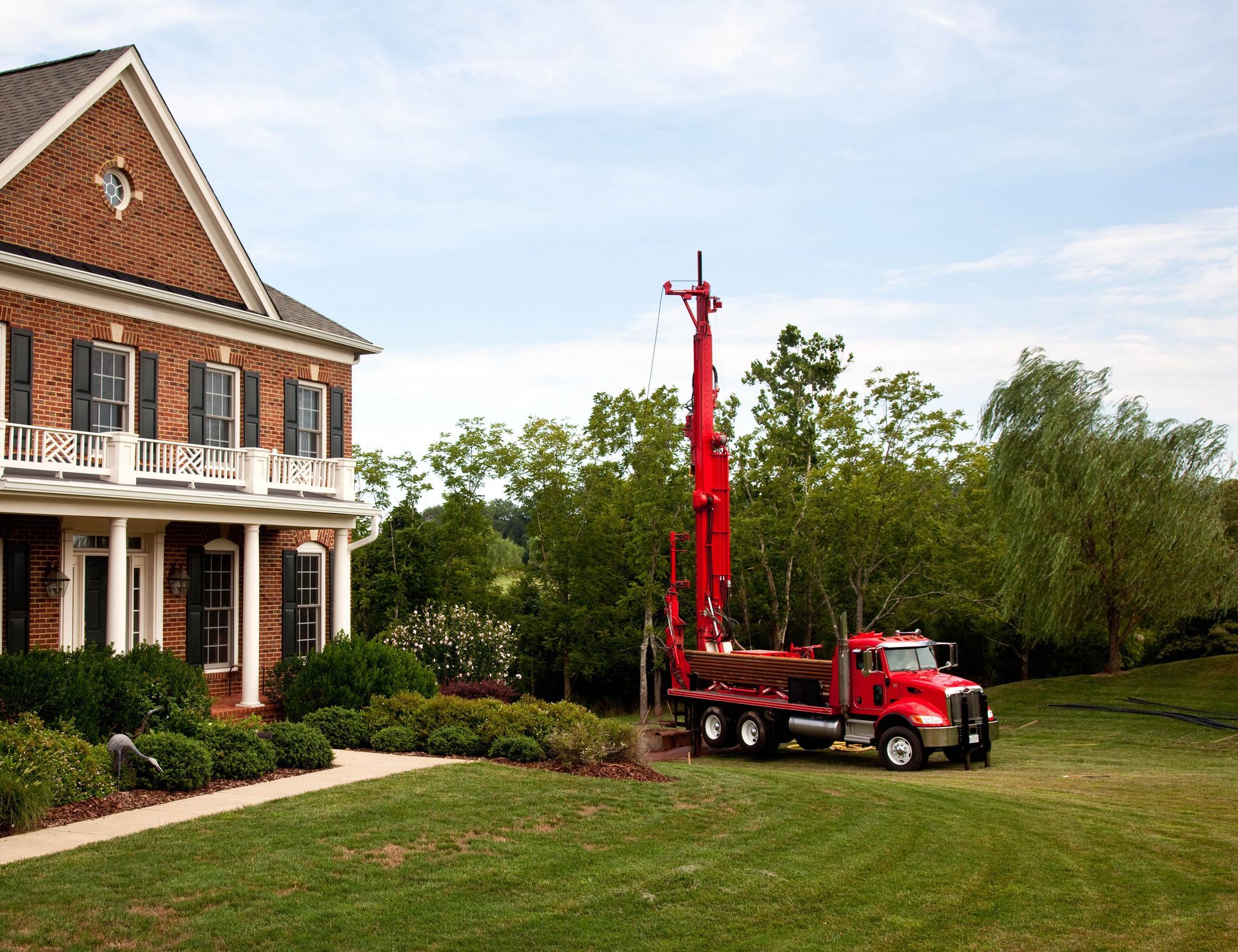
According to the EPA, since late 2021, an estimated 23 million homes nationwide have relied on a private well for drinking water. For these millions of families, consistent maintenance is the only way to prevent unexpected outages. Relying on a professional water well driller to oversee the health of your system is the most effective strategy for long-term reliability.
Understanding Professional Pressure Tank Inspections
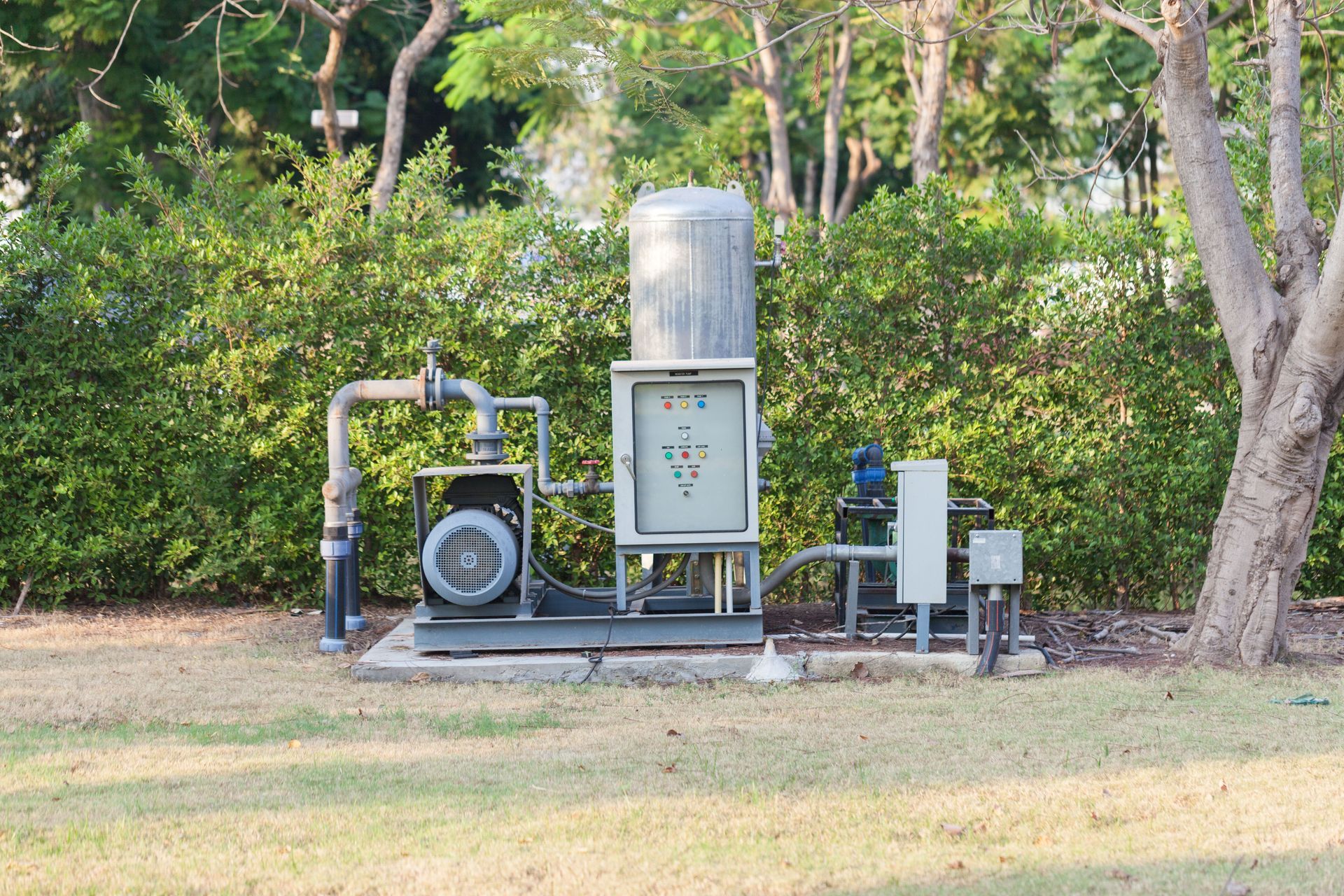
The pressure tank works in tandem with your pump to manage the flow of water and prevent the motor from cycling too frequently. When a professional technician inspects this component, they check the internal air bladder and the overall structural integrity of the tank. If the air pressure is not calibrated correctly, the pump may turn on and off every few seconds, which leads to rapid mechanical failure.
A qualified water well driller possesses the specialized gauges and diagnostic tools required to verify that the tank is operating within its intended parameters. They can identify small pinhole leaks or signs of internal corrosion that are invisible to the untrained eye. Catching these issues early prevents the pump from overworking and burning out prematurely. These specialists also utilize high-precision equipment to measure drawdown and recovery rates to confirm the system meets peak demand.
Professional servicing of the pressure tank also involves checking the sediment levels at the base of the unit. Over time, minerals and grit can accumulate, which restricts flow and puts additional strain on the pump motor. By having a technician flush the system and test the cycles, you verify that the electrical components are not being stressed by mechanical resistance.
The Importance of Annual Water Quality Testing
While it might seem that water quality is separate from pump health, the two are actually deeply intertwined. High levels of sediment, iron, or acidic pH can cause physical damage to the internal impellers of a submersible pump. When you schedule a visit from a water well driller, they can perform comprehensive chemistry tests to see if the water is becoming corrosive to your equipment.
Mineral scaling is a common culprit for pump inefficiency and eventual breakdown. If the water has a high mineral content, these deposits can build up inside the intake screens and the discharge pipe. A professional can recommend filtration or treatment solutions that protect the pump from being choked by calcium or magnesium buildup over the years. Specialized cleaning agents can also be applied by a professional to dissolve existing buildup without damaging the delicate internal components of the machinery.
Furthermore, biological growth, such as iron bacteria, can create a thick slime that coats the pump components. This sludge makes the motor work much harder to move the same volume of water, leading to overheating. Regular professional testing identifies these biological threats before they can form a thick layer of debris that necessitates an expensive pull and clean operation.
Monitoring Electrical System Integrity
The electrical connection between your home and the wellhead is a complex circuit that requires expert oversight. Technicians examine the control box, capacitors, and relays to make sure that the pump is receiving a steady and correct voltage. Fluctuations in power or faulty wiring can lead to a "single phasing" event that destroys the motor windings in a matter of minutes.
An experienced water well driller will use a megohmmeter to test the insulation resistance of the power cable leading down into the well. This test determines if the wire casing is degrading or if there is a short circuit starting to develop deep underground. Identifying a fraying wire early allows for a controlled repair rather than a sudden middle-of-the-night emergency.
Grounding and surge protection are also critical elements that professionals evaluate during a routine maintenance visit. Lightning strikes or grid surges can easily travel through the ground and fry the sensitive electronics in modern constant-pressure systems. A professional installer verifies that all safety devices are active and capable of diverting excess voltage away from your expensive pumping equipment.
Maintaining the Wellhead and Sanitary Seal
The physical structure at the surface plays a vital role in protecting the mechanical pump located hundreds of feet below. A professional service call includes a thorough inspection of the well cap and the sanitary seal to verify that no insects, rodents, or surface runoff can enter the casing. Any breach in this seal can introduce abrasive debris that will quickly erode the pump's internal parts.
A water well driller checks the height of the casing to see that it remains at least twelve inches above the finished grade of the landscape. This height is necessary to prevent flooding from heavy rains from washing bacteria or silt directly into the well. If the casing has shifted or cracked due to ground movement, a professional can repair the structure to maintain a sterile environment. Expert technicians evaluate the cap for any signs of ultraviolet degradation or physical impact that might compromise the seal.
The area surrounding the well should also be managed by an expert who understands the local geology and drainage patterns. Professionals can advise on the proper sloping of the soil to direct water away from the wellhead. Keeping the area clear of heavy machinery and chemical storage prevents structural damage to the pipe and chemical contamination of the pump intake.
Recognizing Early Warning Signs of Mechanical Wear
Subtle changes in the way your water smells, tastes, or flows can be the first indicators that the pump is struggling. If you notice a "spitting" faucet, it often means that air is entering the system, possibly through a leak in the drop pipe or a failing check valve. A water well driller can use acoustic equipment or cameras to find these leaks without needing to excavate the entire line.
Changes in the sound of the pump, such as a loud humming or a grinding noise, should never be ignored. These sounds often point to bearing wear or a misalignment in the motor assembly that requires immediate professional intervention. Ignoring these auditory cues usually results in a total seizure of the motor, which makes the eventual repair much more difficult and costly.
Finally, an unexplained increase in your monthly electric bill can be a sign that the pump is running longer than it should to maintain pressure. This inefficiency is often caused by worn impellers that can no longer move water effectively. By having a professional perform a flow test, you can determine if the pump is still meeting its original factory specifications or if it is time for a replacement.
Maintaining a water well pump is a task best left to a qualified water well driller who understands the complexities of groundwater systems. By scheduling regular professional inspections and water tests, you protect your investment and keep your home running smoothly. Consistent care by a specialist prevents small issues from becoming major, expensive disasters. To keep your system in peak condition, contact the experienced team at Choctaw's Ground Water Pump for all of your professional maintenance and inspection needs.
Share On: